
tempered glass video
Understanding the Telescoping Bore Gauge An Essential Tool for Precision Measurement In the realm of precision engineering and machining, accurate measurements play a crucial role in ensuring the functionality and performance of various components. Among the critical measuring tools in a machinist's toolkit is the telescoping bore gauge. This instrument is particularly designed for measuring the internal diameters of holes or cylinders, and its ability to provide highly accurate readings makes it essential in many manufacturing processes. What is a Telescoping Bore Gauge? A telescoping bore gauge, also known as a bore micrometer, consists of a set of arms that extend and can be adjusted to fit the surface of the bore being measured. Typically, the gauge features a handle, a pair of measuring arms, and a measuring head. The arms are spring-loaded, allowing them to expand and contract with ease. When inserted into a hole, the arms can be expanded to touch the inner walls of the bore. Once the arms are firmly against the surfaces, the gauge is removed, and the distance between the tips is measured using a micrometer or caliper. How to Use a Telescoping Bore Gauge Using a telescoping bore gauge involves a few straightforward steps 1. Preparation Ensure that the internal bore to be measured is clean and free from debris. Any dirt or residue can affect measurement accuracy. 2. Selecting the Size Choose the appropriate size of the bore gauge, as these tools come in various sizes to accommodate different bore diameters. 3. Insertion Insert the telescoping bore gauge into the hole or cylinder. The arms should be closed initially and then expanded once inside. 4. Expansion Carefully expand the arms of the bore gauge until they make contact with the inner walls of the bore. Apply a consistent and gentle pressure to ensure a proper fit without overextending the arms. 5. Removal Once the gauge is properly seated against the walls, carefully withdraw it from the bore. 6. Measurement Measure the distance between the tips of the gauge using a micrometer or caliper. This measurement will give you the internal diameter of the hole. 7. Verification For enhanced accuracy, repeat the measurement in several locations within the bore to account for any irregularities . telescoping bore gauge Advantages of Using a Telescoping Bore Gauge The telescoping bore gauge is favored for several reasons - Precision It allows for precise measurements of internal diameters, which is crucial for parts that must fit together perfectly. - Versatility These gauges can measure a variety of bore sizes accurately, making them valuable in both small and large-scale manufacturing. - Portability Telescoping bore gauges are lightweight and easy to transport, enabling machinists to use them in different settings with ease. - Cost-Effectiveness Compared to other sophisticated measurement tools, bore gauges are relatively inexpensive and provide great value for their accuracy. Challenges in Using Telescoping Bore Gauges While telescoping bore gauges are effective, users must be aware of potential challenges - Skill Requirement Proper use of this tool requires a certain level of skill and experience. New users may need practice to achieve reliable results. - Measurement Errors If not handled correctly, there may be measurement errors due to misalignment or incorrect pressure when expanding the arms. - Calibration Regular calibration and maintenance are necessary to ensure ongoing accuracy, as wear and tear can affect the performance of the gauge. Conclusion In summary, the telescoping bore gauge is an indispensable tool for anyone involved in precision engineering and manufacturing. Its ability to accurately measure internal diameters plays a vital role in quality control and product functionality. By understanding how to properly use and maintain this robust tool, machinists can enhance their measurement accuracy and efficiency on the shop floor. As industries continue to evolve, the reliance on precise measurement tools like the telescoping bore gauge will undoubtedly remain a cornerstone of manufacturing excellence.
about
tempered glass video
Understanding the 3% Gate Valve An Essential Component in Fluid Control In various industrial applications, the flow of fluids is a critical aspect that engineers and operators must manage effectively. Among the numerous types of valves available, the gate valve stands out for its reliability and efficiency in regulating fluid flow. Specifically, the 3% gate valve has gained attention for its precision and functionality, especially in applications where controlling flow is crucial. What is a Gate Valve? A gate valve is a type of linear motion valve used to start or stop the flow of fluid through a pipeline. Unlike other valves that are designed for throttling purposes, the gate valve offers minimal flow resistance when fully opened. It operates using a gate that can lift or lower to either allow or obstruct flow. This design makes it particularly suitable for applications where a straight-line flow of fluid and minimum obstruction are desired. The Significance of the 3% Specification The term 3% gate valve often refers to the valve's ability to maintain a relatively constant flow with only a slight variation in pressure drop across the valve. This specification is important in systems where a stable flow rate is necessary, ensuring that processes operate smoothly and efficiently. The 3% indicates that the valve maintains variable flow characteristics within a tolerable range, making it suitable for various applications in both commercial and industrial settings. Applications of the 3% Gate Valve 3% gate valves are widely used in many industries, including water treatment, oil and gas, chemical processing, and power generation. In water treatment facilities, they are used to control the flow of water through various stages of purification. The oil and gas industry relies on these valves to manage the flow of crude oil and natural gas, where precision and reliability are paramount. Chemical processors use 3% gate valves to ensure safe and efficient handling of corrosive substances. Similarly, in power generation, the control of steam and water flow can significantly impact operational efficiency and safety. 3 gate valve Advantages of 3% Gate Valves 1. Precision Control The 3% gate valve allows for precise control over flow rates, which is essential in many industrial processes. This precision helps prevent overpressure in systems, thereby enhancing safety. 2. Reduced Flow Resistance Gate valves are designed to minimize turbulence and pressure drop when fully open, ensuring maximum flow efficiency. 3. Durability and Reliability Made from robust materials, these valves are built to withstand high pressure and harsh environmental conditions, making them ideal for heavy-duty applications. 4. Ease of Maintenance The simple design of the gate valve makes it easy to maintain and repair, reducing downtime and costs associated with complex valve systems. Conclusion In summary, the 3% gate valve represents a key component in fluid control systems across various industries. Its ability to provide precise flow control with minimal resistance makes it a preferred choice for many applications. As industries continue to evolve and demand greater efficiency and safety, the importance of reliable components like the 3% gate valve cannot be overstated. Whether it’s in oil and gas, water treatment, or chemical processing, understanding the role and functionality of gate valves can lead to improved operational outcomes and enhanced system performance. Overall, investing in quality gate valves is crucial for ensuring the stability and reliability of fluid control systems, thereby supporting the backbone of modern industrial operations.
-

High quality industrial productsagement

High quality industrial products
View Details -

Meet the diverse needs of customers

Meet the diverse needs of customers
View Details -

Strict quality control

Strict quality control
View Details -

Top raw materials

Top raw materials
View Details -

Trusted supplier

Trusted supplier
View Details
Our application


news and information

Welding Fabrication Techniques for Efficient Metalworking Projects
Understanding Welding Fabrication A Comprehensive Overview Welding fabrication is an essential part
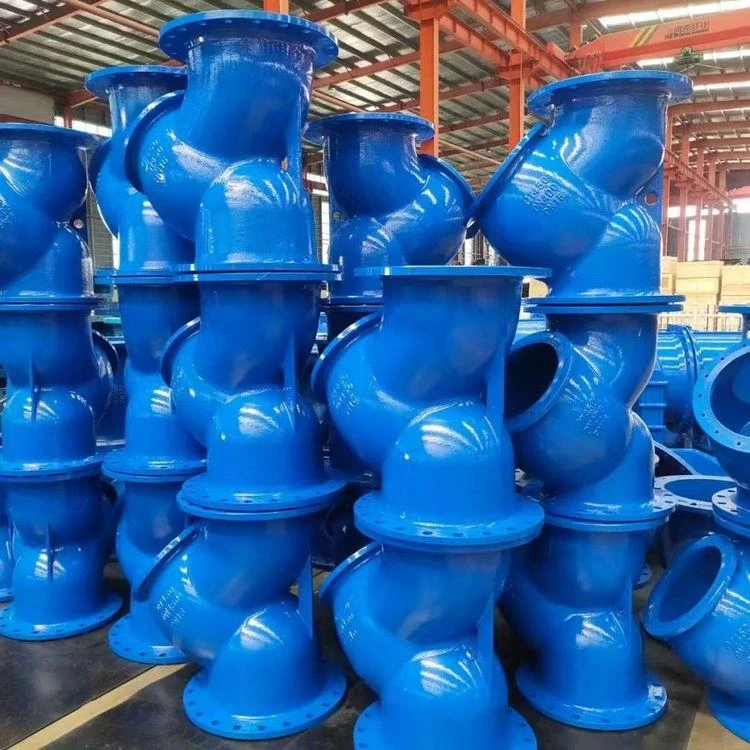
Y-Type Strainer Featuring a Convenient Drain Valve for Efficient Filtration Solutions
Understanding the Y-Type Strainer with Drain Valve Essential for Efficient Fluid Management In vario
valve water
Understanding Valve Water The Key to Efficient Water Management Water is one of the most vital resou
 English